

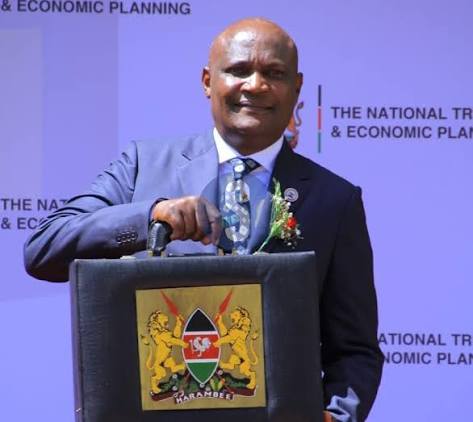
CS For Treasury John Mbandi…..Photo/CG
The government’s new 4.85 trillion shilling budget is going to change the prices of things you buy every day.
It will also change how much money comes to your village or town.
Here is a breakdown of how it hits your kitchen and your county:
🥖 IMPACT ON YOUR KITCHEN BASKET
- Bread: Most wheat used in Kenya comes from outside countries. Because global shipping costs are up and the shilling is weak, importing wheat is very expensive.
This means the price of bread is likely to stay high or go up, making a quick breakfast harder to afford for low-income earners. - Milk: Fuel and transport costs directly control the price of milk. With high inflation and new transport taxes being debated, moving milk from farms to the shops costs more.Expect a packet of milk to push past its current 60 to 70 shilling price tag.
- Sugar: The government is privatizing and trying to fix local sugar factories like Nzoia Sugar in the West.
While this revampment is good for the future, the immediate changes and new taxes on moving sugarcane mean local sugar prices will remain high for now.Imported sugar also faces heavy duties to protect local factories, keeping shop prices high.
🌍 HOW YOUR COUNTY WILL BE AFFECTED
The Treasury is using a new system called Zero-Based Budgeting.
This means counties do not just get automatic money; every single coin must be heavily justified from scratch. Here is the impact across specific regions:
🚜 The Western & Rift Valley Farming Belt

Bungoma
Locality:
Bungoma County
These areas rely heavily on sugarcane farming. The ongoing privatization and the 4 billion shilling sugar sector fund mean long-term hope for farmers.
However, because the budget removes tax exemptions on moving cane from farms to factories, farmers will face high operational costs this year.

Trans Nzoia County
As the food baskets of Kenya, these regions rely heavily on the National Government Fertilizer Subsidy program.
The budget has allocated over 33 billion shillings to agriculture. While this helps secure fertilizer, high fuel inflation means transporting harvest to markets will eat deep into farmers’ profits.
🏔️ Coastal and Marginalized Regions

Taita Taveta and Outlying Dry Areas: Marginalized and semi-arid regions depend heavily on national relief and the Equalisation Fund.
While the government set aside 74.8 billion shillings for grassroots equity and the Equalisation Fund, the strict new budget cuts mean slow development.
Water and irrigation projects only received 7.3 billion shillings nationwide, which is too small to quickly solve the severe water shortages in these dry areas.
Ends