
By Alex Sifuna/ 5 May, 2026
The government has announced an increase in capitation for public schools, with the allocation per learner set to rise to Ksh 2,400 in a move aimed at strengthening the country’s education system and easing the financial burden on institutions.
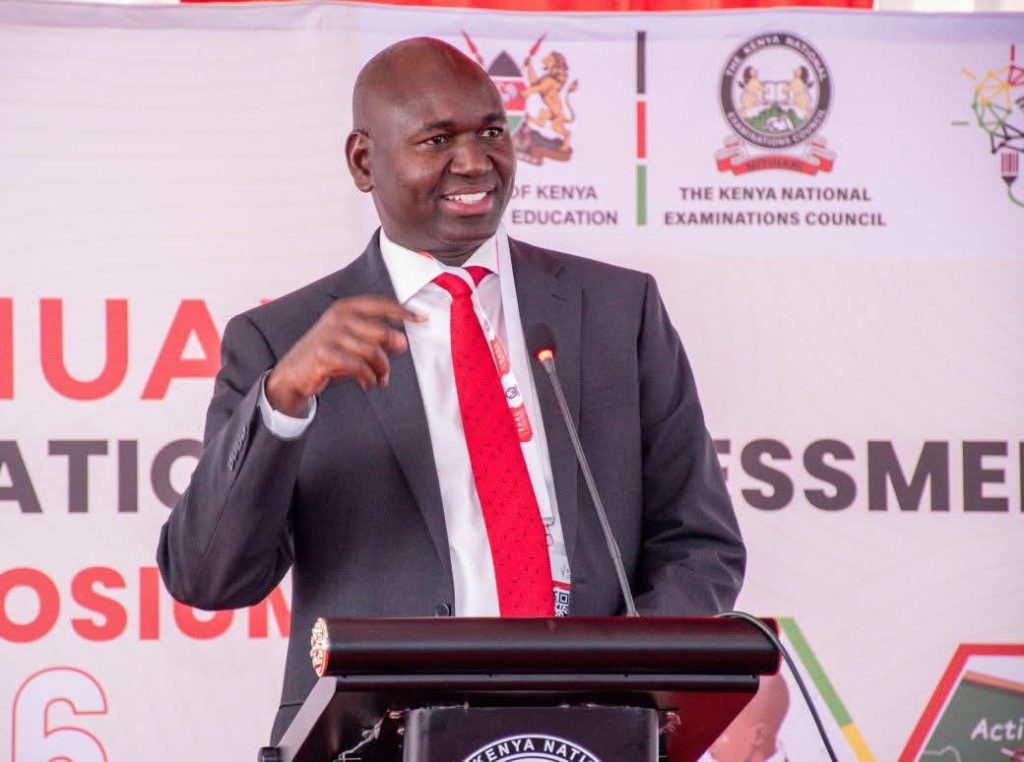
Basic Education Principal Secretary Julius Bitok (above) confirmed the development, saying the enhanced funding is part of ongoing reforms to improve access, equity, and quality in public education.
Speaking during an education stakeholders’ forum, Bitok noted that the revised capitation will support schools in meeting operational costs, including learning materials, infrastructure maintenance, and co-curricular activities.
The increase comes as public schools continue to face financial strain due to rising enrolment and the high cost of essential services. School heads have previously raised concerns over delays and insufficient capitation, which have affected day-to-day operations.
“With the new allocation, each learner will now receive Ksh 2,400, which will go a long way in addressing the funding gaps that schools have been experiencing,” Bitok said.
He added that the government remains committed to ensuring that all learners, regardless of their background, have access to quality education through adequate and timely funding.
The capitation grant is a key component of Kenya’s free primary and subsidised secondary education programmes, implemented under the Ministry of Education Kenya.
The funds are disbursed directly to schools to cater for tuition and other basic requirements.
Education stakeholders have consistently called for an upward review of capitation to reflect the current economic realities. Inflation and increased demand for resources have placed pressure on school budgets, forcing some institutions to seek alternative funding from parents.
Headteachers’ associations have welcomed the increment, terming it a step in the right direction, but emphasized the need for timely disbursement to ensure smooth school operations.
“Capitation is the backbone of free education in Kenya. Increasing the allocation is critical, but equally important is ensuring that the funds reach schools on time,” one school administrator said.
The government has acknowledged past delays in disbursement and pledged to streamline the process to improve efficiency and accountability.
According to Bitok, the increment is aligned with broader efforts to enhance learning outcomes under the Competency-Based Curriculum (CBC), which requires additional resources for effective implementation.
The CBC framework places emphasis on practical learning, continuous assessment, and skill development, increasing the demand for teaching materials, equipment, and trained personnel.
The PS noted that the government is also investing in teacher recruitment and infrastructure development to complement the increased capitation.
Members of Parliament have in recent months pushed for higher education funding, arguing that schools are struggling to maintain standards due to inadequate resources. Some lawmakers have called for a comprehensive review of the education financing model to ensure sustainability.
Parents and education advocates have also expressed optimism, saying the move could help reduce hidden costs often passed on to families despite the existence of free education policies.
The Ministry of Education is expected to issue guidelines on the implementation of the new capitation rates, including accountability measures to ensure proper use of funds.
Education officials have reiterated that school boards and administrators will be required to maintain transparency in financial management, with regular audits to monitor expenditure
The increased capitation is part of a wider government strategy to strengthen the education sector and support human capital development, which is seen as key to Kenya’s long-term economic growth.
As the new funding takes effect, stakeholders are hopeful that it will ease financial pressure on schools and improve the learning environment for millions of students across the country.
Bitok emphasized that the government will continue to review education policies to respond to emerging needs and ensure that the sector remains responsive, inclusive, and sustainable.
“This increment reflects our commitment to investing in our learners and securing the future of our nation through education,” he said.