

Uganda Parliament Passes Controversial Sovereignty Bill Amid Freedom Concerns
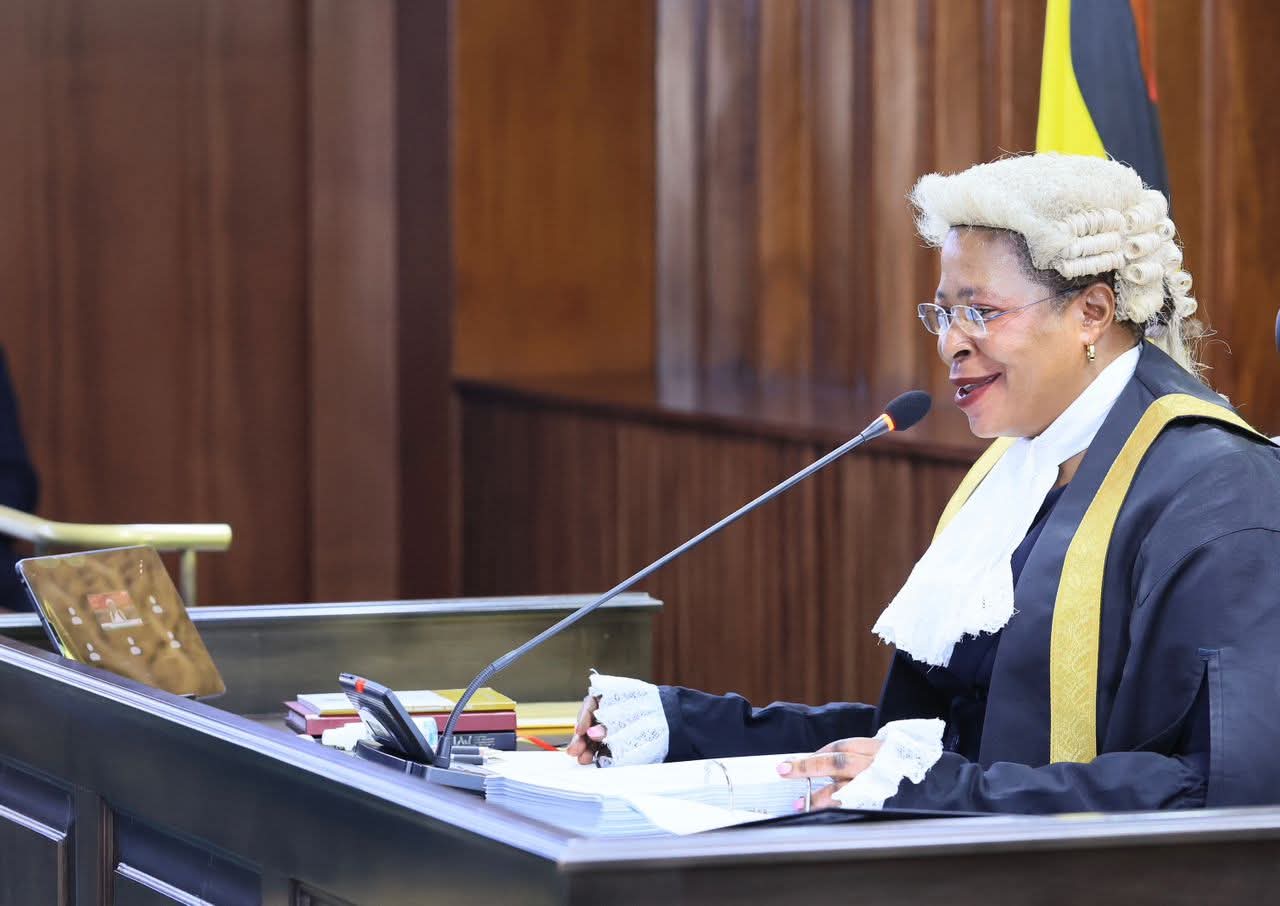
Uganda’s parliament has approved the contentious Protection of Sovereignty Bill, a new piece of legislation aimed at curbing what authorities describe as growing foreign interference in the country’s domestic affairs.
The bill, which now awaits assent from President Yoweri Museveni, has sparked sharp debate among lawmakers, civil society groups, and international observers.
If signed into law, it will introduce sweeping measures targeting individuals and organizations accused of advancing foreign interests at the expense of Uganda’s national priorities.
Under the proposed law, actions deemed to promote “the interests of a foreigner against those of Uganda” would be criminalized.
It also introduces the designation of certain individuals and groups receiving foreign funding as “agents of foreigners,” a label that could carry serious legal and reputational consequences.
Supporters of the bill argue that it is necessary to safeguard Uganda’s sovereignty and protect its political processes from external manipulation.
Government officials have repeatedly pointed to concerns over foreign-funded initiatives influencing policy debates, governance, and electoral processes.
However, critics say the legislation could have far-reaching implications for political freedoms and civic space in the East African nation.
Opposition figures and human rights organizations warn that the broad language used in the bill could be interpreted in ways that stifle dissent, restrict freedom of expression, and limit the operations of non-governmental organizations.
“This law risks being used as a tool to silence legitimate criticism and weaken civil society,” one Kampala-based activist said, expressing concern over the potential for selective enforcement.
During parliamentary debates, lawmakers amended the original draft to narrow its scope.
The revised version focuses primarily on political activities linked to advancing foreign interests, rather than broadly applying to all citizens or entities receiving external funding.
Despite these changes, concerns persist about how the law will be implemented in practice.
President Museveni, who has been in power since 1986, has frequently criticized what he describes as undue foreign influence in Uganda’s internal affairs.
His administration has, in recent years, taken steps to tighten regulations on non-governmental organizations and foreign-funded programs.
Analysts say the president is likely to sign the bill into law, given his long-standing stance on sovereignty and external interference.
If enacted, the legislation could mark a significant shift in Uganda’s governance landscape, particularly in relation to civil society operations and political engagement.
The development is expected to draw continued scrutiny from both domestic stakeholders and the international community, as debates intensify over the balance between national sovereignty and fundamental freedoms.