

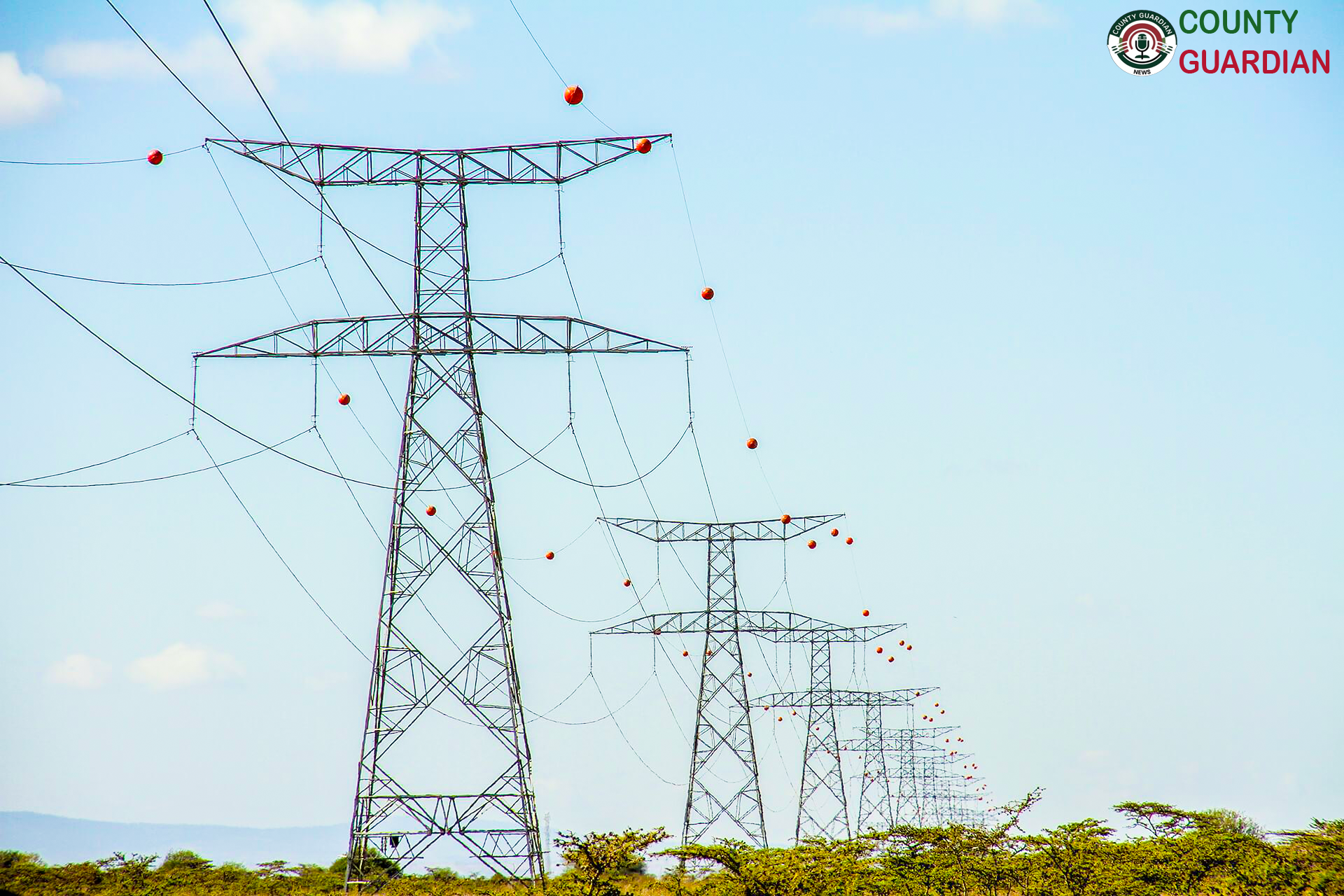
Kenya has significantly increased its long-term electricity-generation target from about 1,500 megawatts (MW) to 5,500MW, in a plan aimed at meeting rising demand and supporting industrial growth.
The expanded pipeline includes 2,000MW of nuclear power, 700MW of hydropower and additional geothermal generation, according to current reporting on the country’s energy plans.
KenGen, the state-owned electricity generator that produces about 60% of Kenya’s power, says it has recalibrated its long-term growth trajectory to a 5,500MW renewable-energy development pipeline, up from the earlier 1,500MW target.
The expansion comes as Kenya prepares for increasing electricity demand and seeks to provide enough power to support industrialization
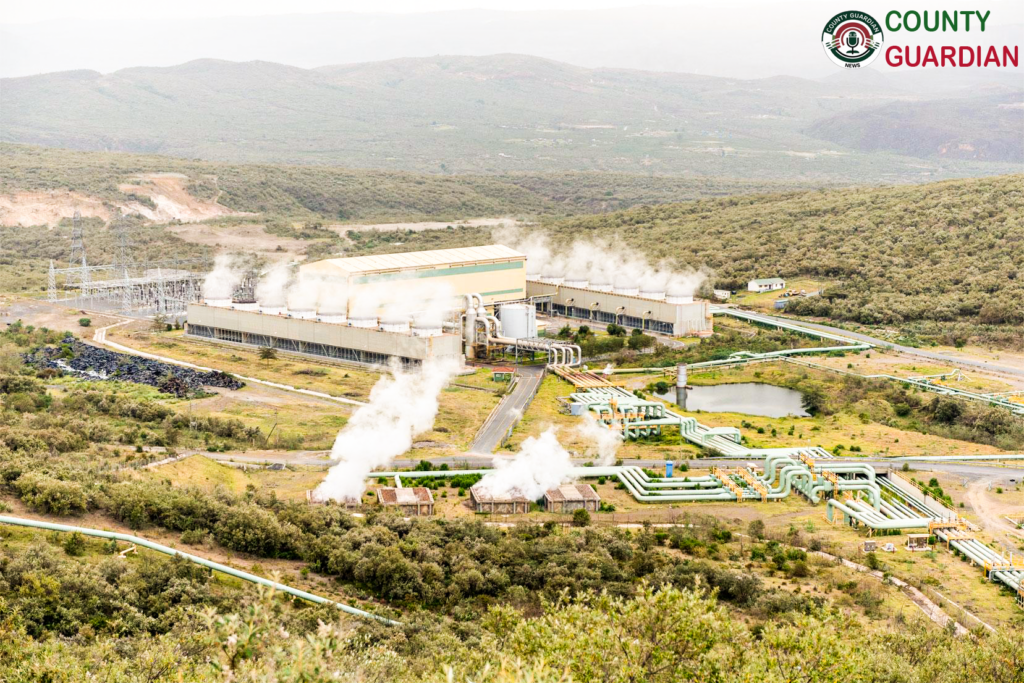
.Kenya already has one of the highest shares of renewable electricity generation globally. About 93% of the country’s electricity currently comes from renewable sources, including geothermal, hydro, wind and solar power.
Why nuclear is part of the plan
A major component of the proposed expansion is nuclear energy.
The plan includes 2,000MW of nuclear generation, reflecting the government’s longer-term push to introduce nuclear power into Kenya’s electricity mix.
Kenya’s official energy planning documents have previously provided for the development of a nuclear power Programme, including regulatory, financing and institutional preparations.
The National Treasury’s 2026 PPP project status report also lists a 2,000MW nuclear power plant project, comprising two 1,000MW units. The report says the project concept note was approved in March 2026 to allow it to progress.
The nuclear component is therefore part of a long-term development programme, rather than electricity that is immediately available to consumers.
The bigger question for households and businesses is what the expansion will mean for electricity bills.
Energy experts caution that increasing generation capacity by itself does not guarantee lower consumer prices.
Current analysis points to other factors affecting electricity costs, including transmission and distribution losses, financing costs, electricity-supply contracts and the wider structure of the power market.
Kenya has also been dealing with significant losses in its electricity network. Experts cited in current reporting say reducing these losses could provide an opportunity to improve efficiency and eventually reduce costs for consumers.
This means that building more generating capacity is only one part of the challenge.
For consumers, the impact of the new plan will ultimately depend on how much new power costs to produce, how efficiently it reaches the grid and how those costs are reflected in electricity tariffs.
What the expansion could mean for Kenya
If implemented, the larger generation pipeline could provide Kenya with substantially more electricity for homes, businesses and industries.
It could also strengthen the country’s ability to accommodate future demand as manufacturing, urbanization and electricity-dependent technologies expand.
The increased emphasis on geothermal and other renewable sources would build on Kenya’s existing strength in clean-energy generation, while the nuclear component would introduce a new source of large-scale baseload electricity.
However, the scale of the Programme also means that financing, infrastructure, regulation and project delivery will be critical.
The country’s energy policy already identifies the need for nuclear regulations, financing strategies and institutional capacity as part of the development of a nuclear Programme.
For ordinary consumers, the most important measure of success will eventually be whether increased generation is accompanied by more reliable and affordable electricity.
For now, Kenya’s message is clear: the country is preparing for a much larger electricity system, with 5,500MW as the new long-term generation pipeline target.
Whether that expansion ultimately delivers cheaper power will depend on what happens beyond generation – particularly the grid, financing, contracts and electricity pricing system.