

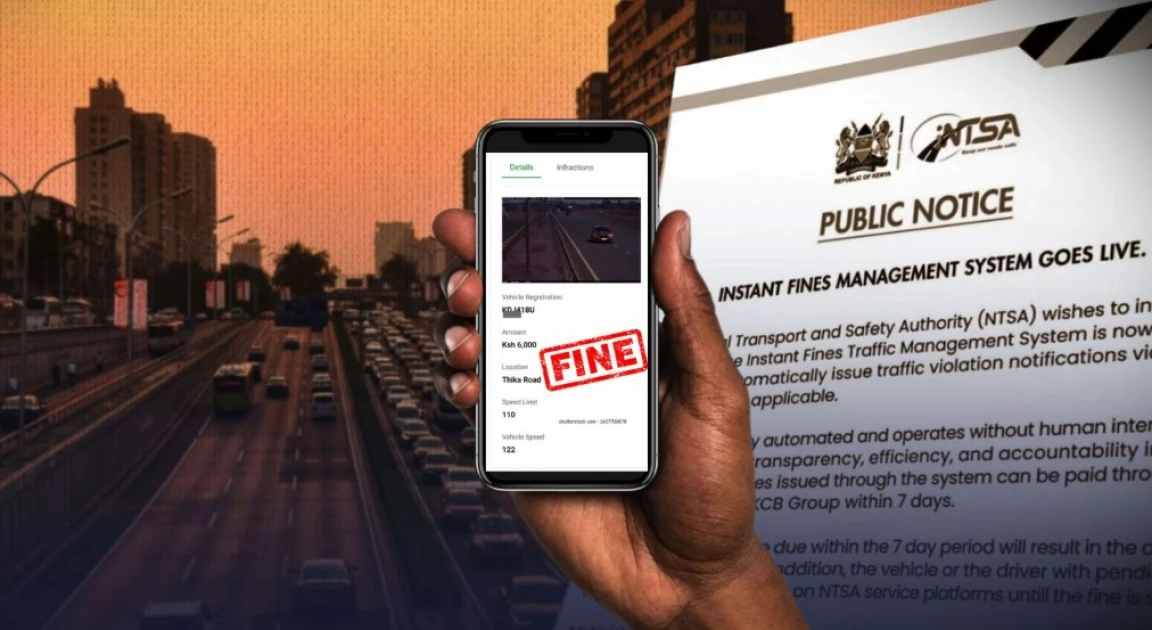
In conservatory orders issued Thursday morning, Justice Bahati Mwamuye restrained the National Transport and Safety Authority (NTSA) and the Office of the Attorney General from issuing, generating, demanding or enforcing automated traffic penalties produced through algorithmic or other automated decision-making systems.
The orders were issued in a constitutional petition filed by Sheria Mtaani through its lawyers, Danstan Omari and Shadrack Wambui, challenging the legality of the instant fines traffic management system rolled out by NTSA.
Justice Bahati Mwamuye further directed that KCB Bank Kenya be enjoined in the proceedings as an interested party.
Early Morning accident kills 14 and injures 30 more people in a major highway
In the interim orders, the court barred the respondents and the interested party, whether acting jointly or severally, from implementing or continuing to implement the impugned automated traffic penalties system pending the inter-partes hearing of the application.
The petitioner argues that the automated instant fines system imposes penalties immediately upon detection of an alleged traffic infraction without prior notice, warning or human review.
Sheria Mtaani contends that the system violates Articles 47 and 50 of the Constitution, which guarantee fair administrative action, procedural fairness and the presumption of innocence.
Through the application filed under certificate of urgency, the petitioner states that motorists are compelled to pay fines within seven days or risk administrative sanctions, including denial of access to essential NTSA services.
Kamba Community in US Urges Fair Process After Arrest of Kenyan Nurse
It argues that the system effectively bypasses the constitutional mandate of the Office of the Director of Public Prosecutions by determining alleged offences and imposing penalties without instituting prosecution before a court of law.
The petitioner further argues that the automated system disregards safeguards provided under the Traffic Act, including the requirement to serve notices and allow alleged offenders to be heard.
Sheria Mtaani also claims the system converts registered vehicle owners into automatic culprits even where they may not have committed the alleged offence.
The application further raises concerns over data protection, arguing that the decision-making process is executed solely through automated algorithms without human intervention.